

Study in United States
No other country offers as many institutions, as much flexibility in choosing and changing majors, or as much financial aid to international undergraduates. Community college transfer routes cut the cost of a US bachelor's degree substantially.
- Tuition
- US$11,500/yr
- Living
- US$17,300/yr
- Total
- US$28,800/yr
- Work rights
- 20 hours/week on campus
- Post-study
- OPT — 12 months, 36 for STEM
Current position
Policy for international students
- Students must hold an F-1 visa for degree programmes, or J-1 for exchange and cultural programmes.
- OPT allows 12 months of post-study work; STEM graduates may extend by a further 24 months, for 36 months in total.
- On-campus work of up to 20 hours per week is permitted from the first semester; off-campus work requires CPT or OPT authorisation.
- Community colleges offer a two-year associate degree that transfers into the third year of a four-year bachelor's, typically halving the total cost.
Cost
What a year in United States costs
Adjust the level, city and scholarship percentage to see the effect on your annual total.
Scholarships: Merit awards for international undergraduates commonly run 10,000-25,000 USD per year, and a number of institutions offer need-based aid.
Estimated annual cost
US dollars, indicative
Indicative US dollars per year. Actual fees depend on the institution and programme; confirm before you commit.
Admission
Entry requirements
- Accepts students from Grade 8, aged 13 or over
- English: IELTS 4.0-5.5 / TOEFL 40-70 / ELTiS 212, or the school's own placement test
- High school graduate
- English: IELTS 6.0 / TOEFL 61, or an English pathway before the main course
- High school graduate
- English: IELTS 6.0-6.5 / TOEFL 61, or an English pathway before the main course
- SAT or ACT, optional and varying by institution and programme
- Bachelor's degree
- English: IELTS 6.5-7.0 / TOEFL 79, or an English pathway before the main course
- GMAT or GRE and work experience depending on the institution and programme
Funding
Scholarships & financial support
Merit awards for international undergraduates commonly run 10,000-25,000 USD per year, and a number of institutions offer need-based aid.
Awards are almost always decided at the point of admission rather than afterwards, and most pools are allocated on a rolling basis. Applying early in the cycle is the single biggest thing within your control.
At a glance
- Work during study
- 20 hours/week on campus
- After graduation
- OPT — 12 months, 36 for STEM
- Baseline tuition
- US$11,500/yr
- Baseline living
- US$17,300/yr
Subjects
What United States is strong in
- Business & Management
- Science & Research
- IT & Computer Science
- Hospitality
- Creative Arts & Design
- Healthcare & Medicine
- Engineering
- Education & Training
Institutions
Where to study in United States
80 institutions in our directory, across 4 categories.
-
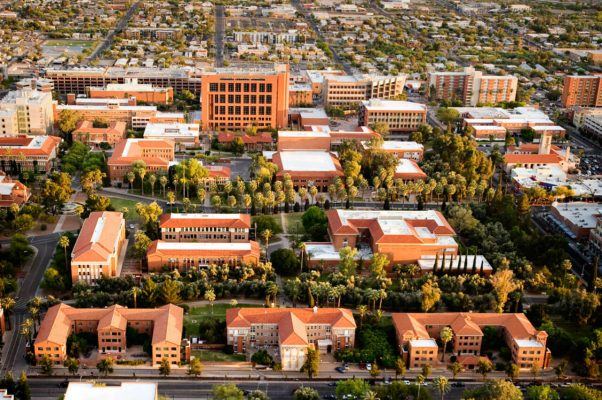
University of Arizona Tucson, AZ
-
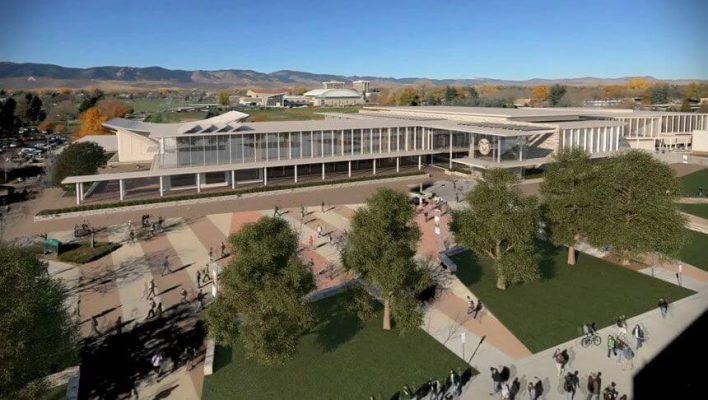
Colorado State University Fort Collins, CO
-
Washington State University Pullman, WA
-
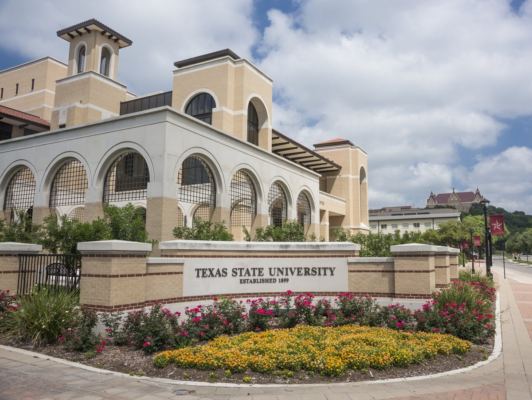
Texas State University San Marcos, TX
-
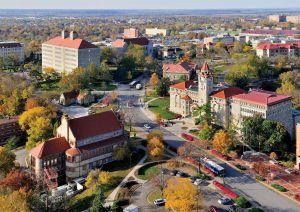
University of Kansas Lawrence, KS
-
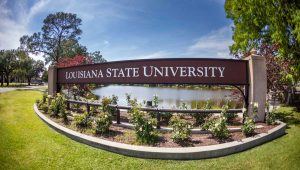
Louisiana State University Baton Rouge, LA
-
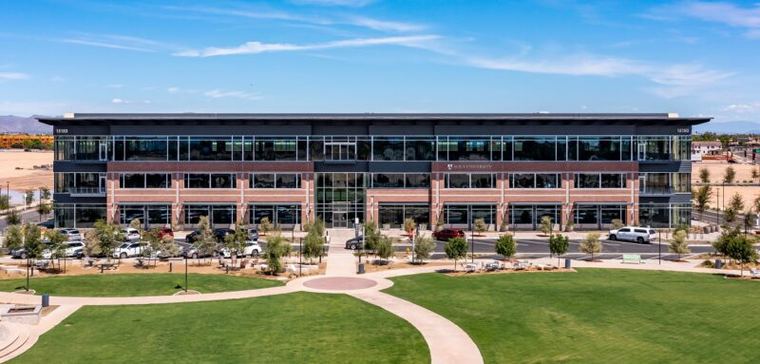
Avila University Kansas City, MO
-
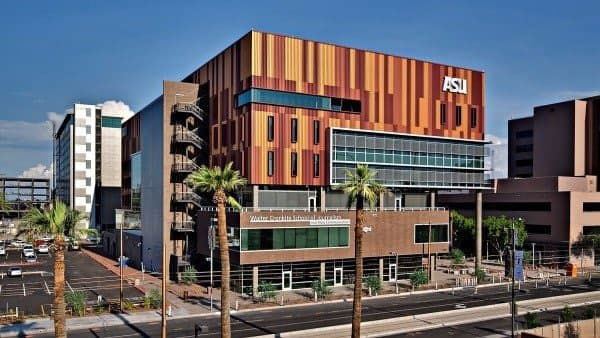
Arizona State University Tempe, AZ
Immigration
The United States student visa
- International students at a US high school, college or university must hold an F-1 visa for long-term programmes, or J-1 for exchange and cultural programmes.
- To qualify you need an offer from an SEVP-approved institution, full-time enrolment, the required English level or an English pathway, and evidence that you can fund your studies.
- The institution issues Form I-20, which you use to pay the SEVIS fee and book the consular interview.
- The interview is the decisive stage: prepare a clear account of why this programme, why this institution, how it is funded, and what you intend to do afterwards.
Questions
Frequently asked
What do I need to study in the US?
A high school diploma for undergraduate entry or a bachelor's degree for postgraduate, an English certificate or a pathway programme, evidence of funds for the first year, and an I-20 from an SEVP-approved institution.
Is community college worth considering?
For most students, yes. A two-year associate degree costs a fraction of university tuition and transfers into the third year of a bachelor's at a partner university. The final degree certificate names the four-year university, not the community college.
How much does a year cost?
About US$28,800 per year including tuition and living — the highest of any destination here, though scholarships and community college routes change that picture considerably.
How do I get a scholarship or financial aid?
Apply early, target institutions where your profile sits above their median rather than at the very top, and submit the CSS Profile where need-based aid is offered to international students. Merit awards of 10,000-25,000 USD per year are common at mid-ranked universities.
Is the F-1 visa interview difficult?
It is short — often under three minutes. The officer is testing whether you are a genuine student with the funds to complete the course and reasons to return home. Answer directly, know your programme and university, and have your financial documents organised.
Can international students work in the US?
On-campus work of up to 20 hours per week is permitted from the first semester. Off-campus work requires CPT during the programme or OPT after it.
Planning United States for 2026–27?
We will check your profile against the entry requirements, size the real budget and map the scholarship rounds worth applying to.