

Study in Canada
Canada offers up to three years of post-graduation work rights, from both colleges and universities, and a clear route from there toward permanent residence. Recent policy has tightened financial requirements while keeping the graduate pathway intact.
- Tuition
- US$7,700/yr
- Living
- US$6,900/yr
- Total
- US$14,600/yr
- Work rights
- 24 hours/week during term
- Post-study
- PGWP — up to 3 years
Current position
Policy for international students
- Bachelor's graduates from both colleges and universities are eligible for a Post-Graduation Work Permit (PGWP) of up to three years.
- Only master's and doctoral students may bring a spouse and children and apply for an open work permit for a partner.
- International students may work 24 hours per week during term and full-time during scheduled breaks.
- The Student Direct Stream (SDS), which waived proof-of-funds, has been discontinued so that applicants from all countries are assessed on the same basis.
- From 1 September 2025 the required proof of funds for living costs rose to 22,895 CAD, roughly US$16,700.
- IRCC continues to report shortages of skilled workers in healthcare, education, STEM and agriculture.
Cost
What a year in Canada costs
Adjust the level, city and scholarship percentage to see the effect on your annual total.
Scholarships: University and college entrance awards commonly run 5,000-20,000 CAD, with several institutions offering renewable scholarships above 100,000 CAD in total.
Estimated annual cost
US dollars, indicative
Indicative US dollars per year. Actual fees depend on the institution and programme; confirm before you commit.
Admission
Entry requirements
- Above-average academic results
- Conversational English
- No IELTS or TOEFL required
- High school graduate
- IELTS 6.0 or an equivalent certificate
- Or the institution's own English programme
- High school graduate
- IELTS 6.5 or an equivalent certificate
- Or the institution's own English programme
- Bachelor's degree
- IELTS 6.5 or an equivalent certificate, or the institution's English programme
- GRE or GMAT and work experience depending on the field
- College diploma or bachelor's degree
- IELTS 6.5 or an equivalent certificate, or the institution's English programme
- Work experience, GMAT and GRE are generally not required
Funding
Scholarships & financial support
University and college entrance awards commonly run 5,000-20,000 CAD, with several institutions offering renewable scholarships above 100,000 CAD in total.
Awards are almost always decided at the point of admission rather than afterwards, and most pools are allocated on a rolling basis. Applying early in the cycle is the single biggest thing within your control.
At a glance
- Work during study
- 24 hours/week during term
- After graduation
- PGWP — up to 3 years
- Baseline tuition
- US$7,700/yr
- Baseline living
- US$6,900/yr
Subjects
What Canada is strong in
- Computer Science & IT
- Business & Management
- Engineering
- Healthcare & Medicine
- Education & Training
- Hospitality
- Agriculture & Food Science
- Communications & Media
- Design & Creative Arts
Institutions
Where to study in Canada
61 institutions in our directory, across 4 categories.
-
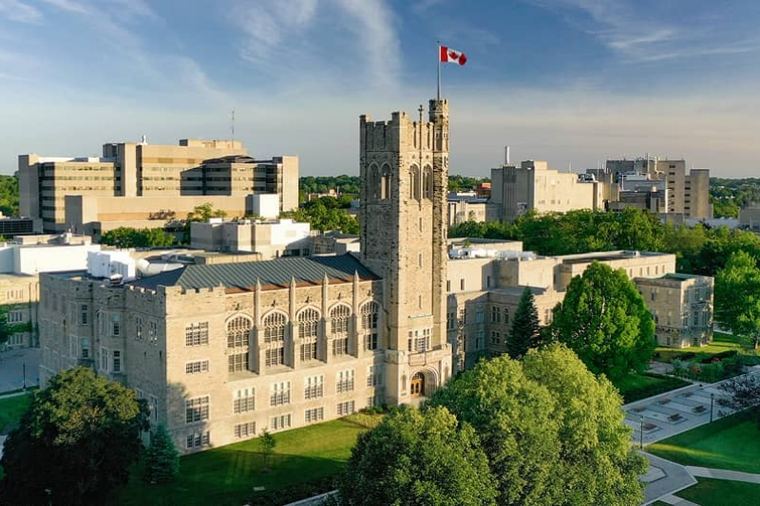
Western University London, ON
-
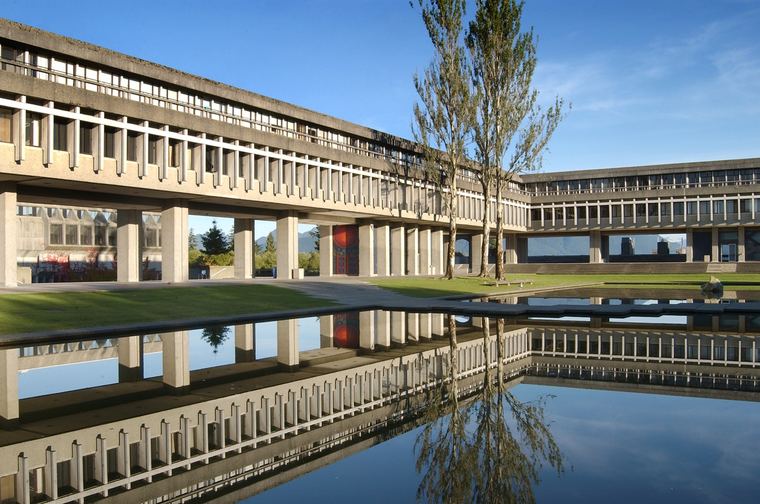
Simon Fraser University Vancouver, BC
-
University of Manitoba Winnipeg, MB
-
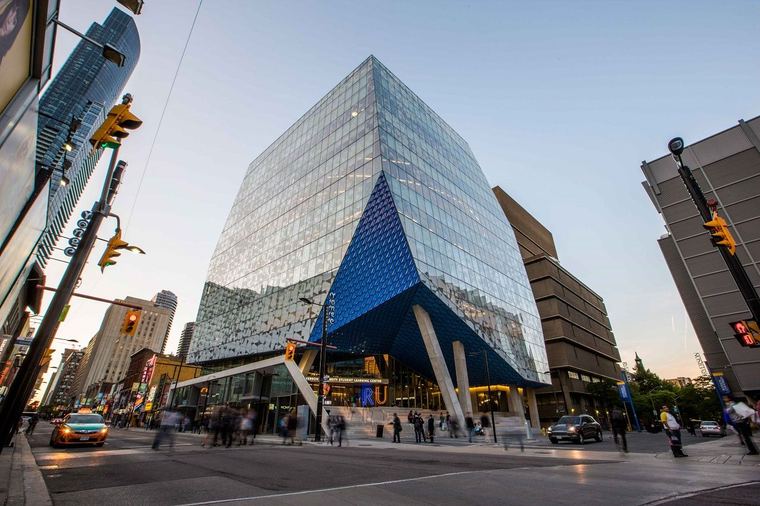
Toronto Metropolitan University Toronto, ON
-
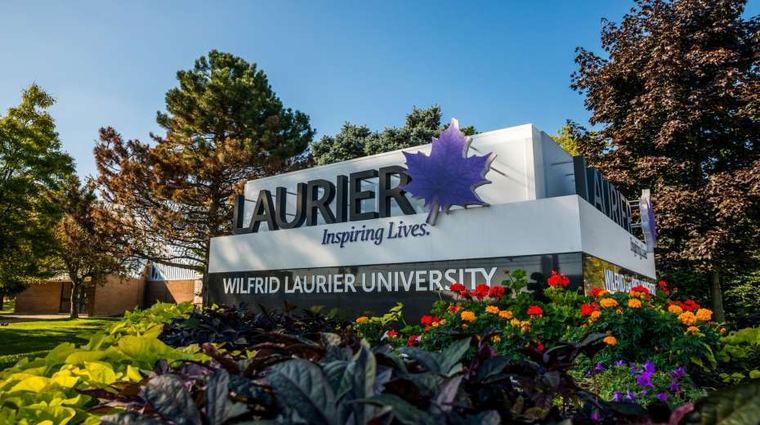
Wilfrid Laurier University Waterloo, ON
-
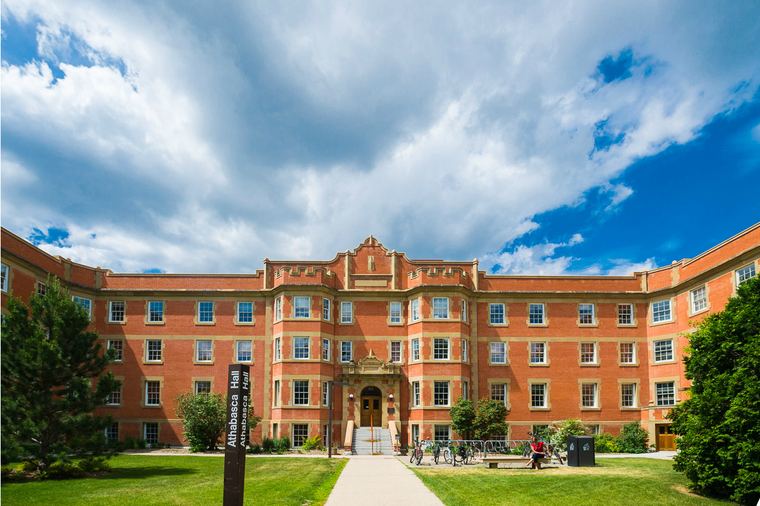
University of Alberta Edmonton, AB
-
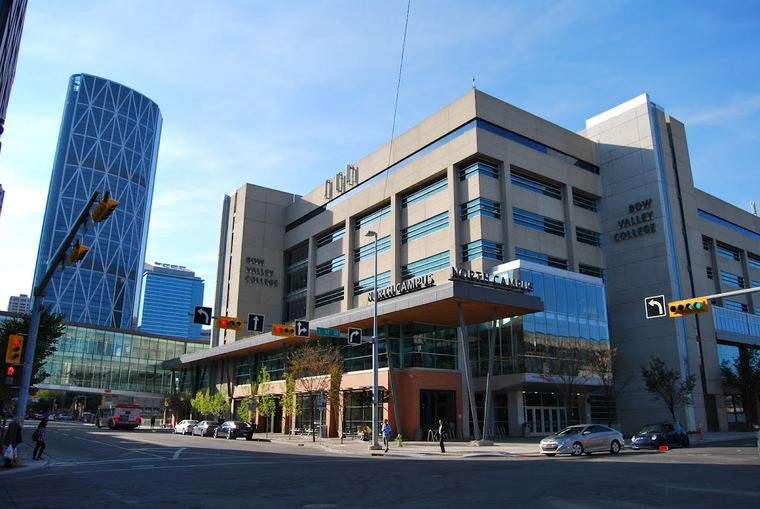
University of Lethbridge Calgary, AB
-
MacEwan University Edmonton, AB

Immigration
The Canada student visa
- International students need a study permit, applied for online through the IRCC portal after receiving a Letter of Acceptance from a designated learning institution.
- With SDS discontinued, every applicant now files a standard application — the financial narrative carries more weight than it used to.
- You need the Letter of Acceptance, a Provincial Attestation Letter where required, proof of funds of 22,895 CAD plus tuition, and a statement of purpose.
- Biometrics and a medical examination are standard. Processing times vary widely by season; apply four to six months before the intake.
Questions
Frequently asked
Can I study in Canada without IELTS?
Yes, in several ways: high school entry does not require it, and colleges and universities accept alternatives such as Duolingo, PTE or CAEL, or admit students into their own English pathway that leads directly into the main programme. The study permit application itself, however, is stronger with a recognised test result.
How much does a year in Canada cost?
About US$14,600 per year including tuition and living, based on college-level study. University tuition runs higher, and Toronto and Vancouver sit above the average for living costs.
Can students work part-time?
Yes — 24 hours per week during term and full-time during scheduled breaks.
Can I stay and work after graduating?
Yes. The Post-Graduation Work Permit runs up to three years for bachelor's graduates from both colleges and universities, and is the standard first step toward permanent residence.
What changed with the SDS closing?
The Student Direct Stream allowed a faster decision in exchange for a GIC and upfront tuition payment. With it closed, all applicants file a standard study permit application and must document their finances fully — which makes the quality of the financial file the decisive factor.
How much do I need to show for proof of funds?
From 1 September 2025, 22,895 CAD for living costs (roughly US$16,700), plus first-year tuition, plus travel.
Planning Canada for 2026–27?
We will check your profile against the entry requirements, size the real budget and map the scholarship rounds worth applying to.