
Study in Belgium
Belgium sits at the institutional centre of the EU and charges moderate tuition by Western European standards. Universities of applied sciences run strong programmes in design, engineering and business, largely in English at master's level.
- Tuition
- US$5,100/yr
- Living
- US$10,400/yr
- Total
- US$15,500/yr
- Work rights
- 20 hours/week during term; 600-hour allowance
- Post-study
- Orientation year
Current position
Policy for international students
- International students receive an annual work allowance from the Belgian government — 600 hours in 2024 — during which reduced social contributions apply. Additional hours are permitted but attract standard contributions.
- During term, work is capped at 20 hours per week. During official winter, spring and summer holidays that cap is lifted.
- Students may not work during scheduled classes or other timetabled activities, and may not work in the summer before their first academic year in Belgium.
- Graduates may apply for an orientation-year permit to extend their stay and look for work.
Cost
What a year in Belgium costs
Adjust the level, city and scholarship percentage to see the effect on your annual total.
Scholarships: VLIR-UOS and ARES development scholarships fund full master's programmes; institutions offer partial tuition waivers.
Estimated annual cost
US dollars, indicative
Indicative US dollars per year. Actual fees depend on the institution and programme; confirm before you commit.
Admission
Entry requirements
- High school graduate
- IELTS 6.0 or equivalent
- Bachelor's degree in a related field
- IELTS 6.0 minimum, or equivalent
- GRE, GMAT or work experience depending on the programme
Funding
Scholarships & financial support
VLIR-UOS and ARES development scholarships fund full master's programmes; institutions offer partial tuition waivers.
Awards are almost always decided at the point of admission rather than afterwards, and most pools are allocated on a rolling basis. Applying early in the cycle is the single biggest thing within your control.
At a glance
- Work during study
- 20 hours/week during term; 600-hour allowance
- After graduation
- Orientation year
- Baseline tuition
- US$5,100/yr
- Baseline living
- US$10,400/yr
Subjects
What Belgium is strong in
- Social Sciences & Humanities
- Business & Management
- Science & Research
- Engineering & Applied Sciences
- Healthcare & Medicine
- Communications & Media
- Creative Arts & Design
Institutions
Where to study in Belgium
5 institutions in our directory, across 1 categories.
-
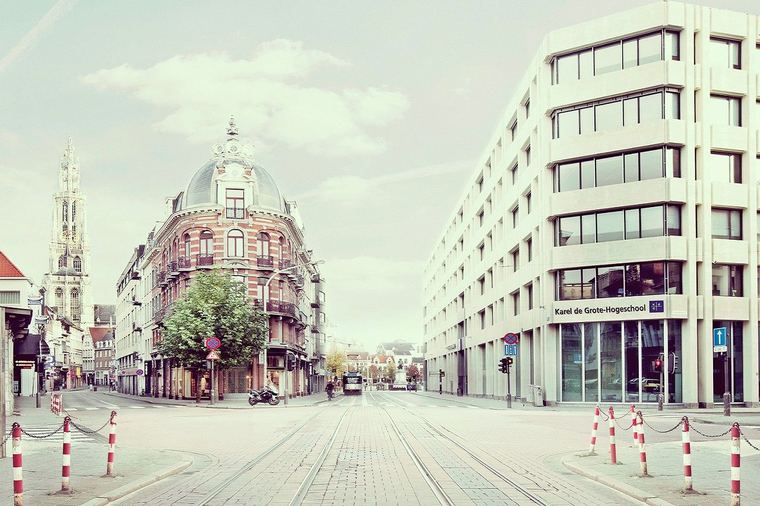
Karel de Grote University of Applied Sciences and Arts (KdG) Antwerp
-
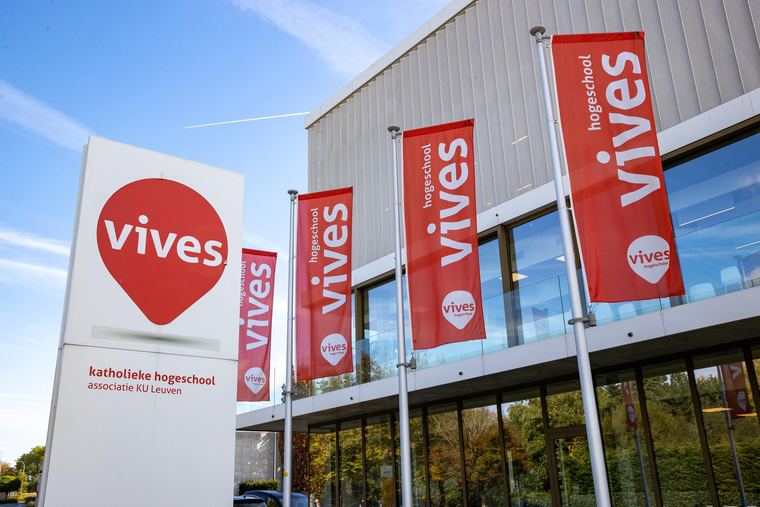
VIVES University of Applied Sciences West Flanders
-
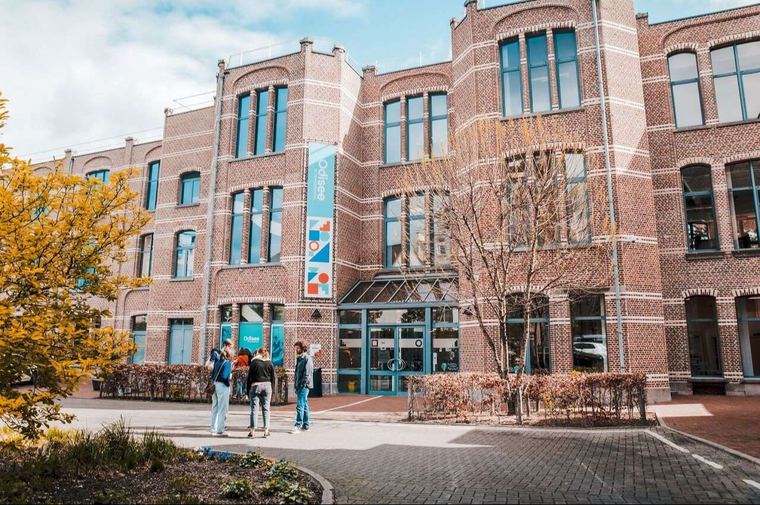
Odisee University of Applied Sciences Brussels & Ghent
-
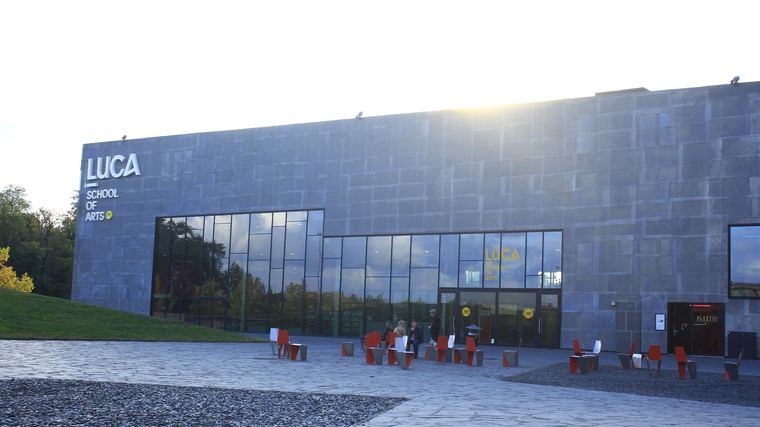
LUCA School of Arts Brussels & Ghent
-
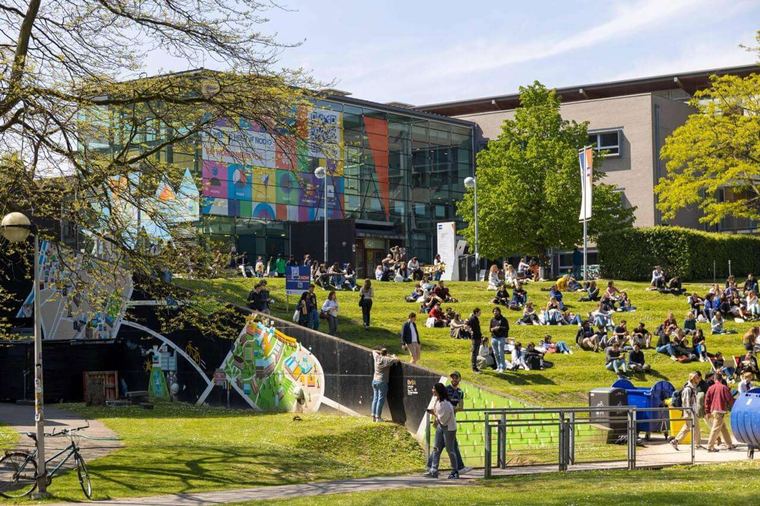
Vrije Universiteit Brussel (VUB) Brussels
Immigration
The Belgium student visa
- Vietnamese students need a type D long-stay visa, applied for at the Belgian embassy or its visa partner.
- Required documents include the admission letter, proof of funds (roughly 850 EUR per month), medical certificate, police clearance and health insurance.
- Legalisation of Vietnamese academic documents is a mandatory step and is often the slowest part — start it early.
- Processing typically takes 45 to 60 days. After arrival you register with the local commune to obtain your residence card.
Questions
Frequently asked
What language is used for study in Belgium?
Belgium has three official languages — Dutch, French and German — and the language of instruction depends on the region. Flanders teaches in Dutch, Wallonia in French. Master's programmes are widely available in English in both regions, and a growing number of bachelor's programmes are too.
How much does a year cost?
About US$15,500 per year including tuition and living. Tuition is low by Western European standards; living costs are the larger share.
Do I need to prove finances?
Yes. You must show approximately 850 EUR per month for the duration of your studies, either through a personal bank balance or a Belgian guarantor.
Can I work while studying?
Yes — 20 hours per week during term, unrestricted during official holidays, with a 600-hour annual allowance at reduced social contribution rates.
Can I stay after graduating?
Yes. Graduates may apply for an orientation-year residence permit to look for work or start a business.
Planning Belgium for 2026–27?
We will check your profile against the entry requirements, size the real budget and map the scholarship rounds worth applying to.