

Study in Germany
Public universities in Germany charge no tuition fees to international students — only a small semester contribution. Engineering and applied sciences are the traditional strengths, and graduates may stay 18 months to find work.
- Tuition
- US$0/yr
- Living
- US$11,000/yr
- Total
- US$11,000/yr
- Work rights
- 140 full days or 280 half days per year
- Post-study
- 18 months to find work
Current position
Policy for international students
- Since 1 September 2024 the study visa requires proof of at least 11,904 EUR to cover one year of living costs, normally held in a blocked account.
- Since 1 March 2024 international students may work 140 full days or 280 half days per year, or 20 hours per week.
- Graduates may apply for a job-seeker residence permit and remain in Germany for up to 18 months to find work.
- Public universities charge no tuition; only private institutions and some specialised master's programmes carry fees.
Cost
What a year in Germany costs
Adjust the level, city and scholarship percentage to see the effect on your annual total.
Scholarships: DAAD scholarships cover living costs and travel; Deutschlandstipendium provides 300 EUR per month regardless of nationality.
Estimated annual cost
US dollars, indicative
Indicative US dollars per year. Actual fees depend on the institution and programme; confirm before you commit.
Admission
Entry requirements
- High school graduate, or currently enrolled at a university
- IELTS 6.5, or German at B2
- An entrance examination at some institutions
- Bachelor's degree in a related field
- IELTS 6.5, or German at B2
- Work experience for some programmes
Funding
Scholarships & financial support
DAAD scholarships cover living costs and travel; Deutschlandstipendium provides 300 EUR per month regardless of nationality.
Awards are almost always decided at the point of admission rather than afterwards, and most pools are allocated on a rolling basis. Applying early in the cycle is the single biggest thing within your control.
At a glance
- Work during study
- 140 full days or 280 half days per year
- After graduation
- 18 months to find work
- Baseline tuition
- US$0/yr
- Baseline living
- US$11,000/yr
Subjects
What Germany is strong in
- Engineering & Applied Sciences
- Natural Sciences & Research
- Computer Science & IT
- Business & Management
- Social Sciences & Humanities
- Healthcare & Medicine
- Creative Arts & Design
Institutions
Where to study in Germany
4 institutions in our directory, across 1 categories.
-
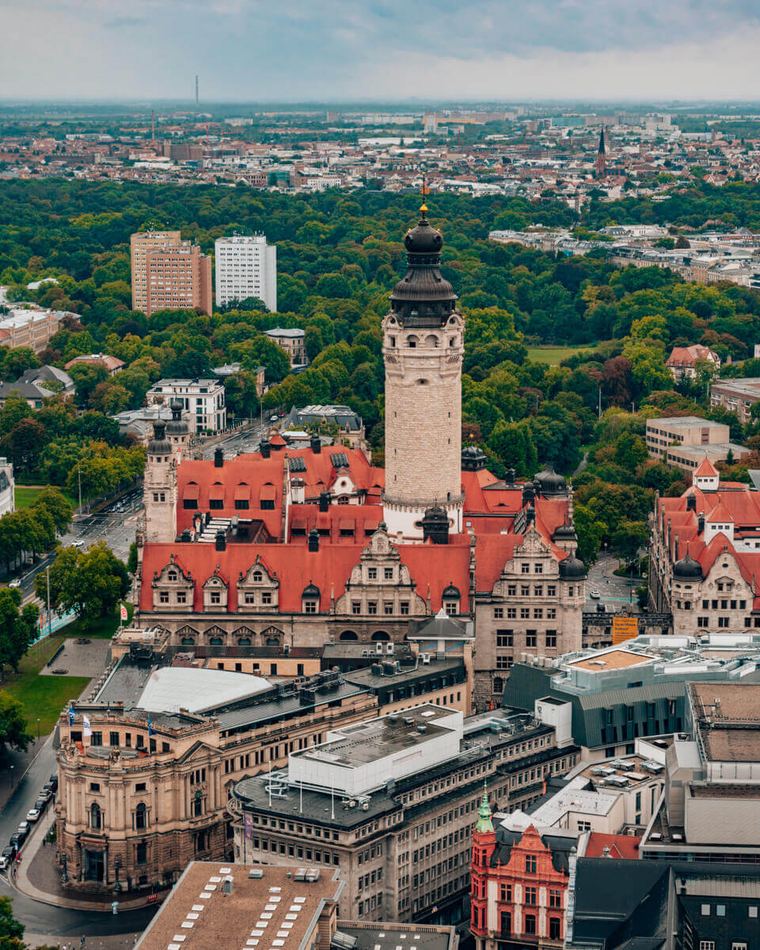
Lancaster University Leipzig Leipzig
-
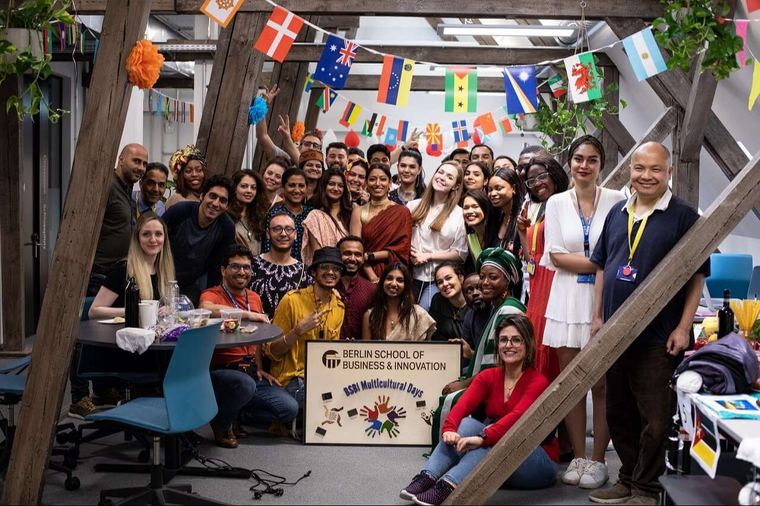
Berlin School of Business and Innovation (BSBI) Berlin
-
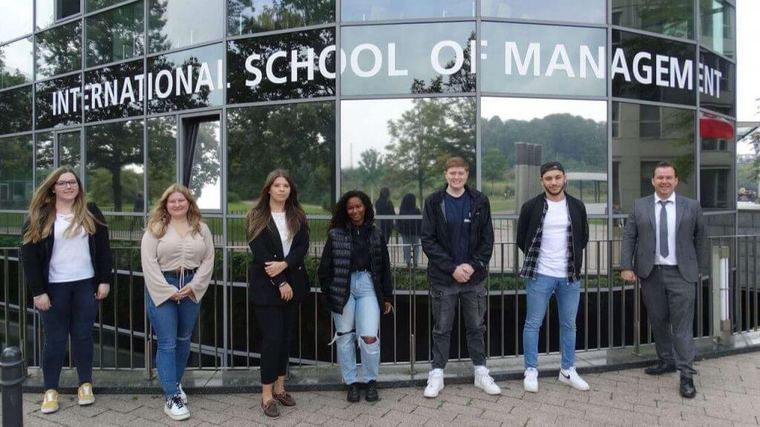
International School of Management (ISM) Dortmund & other campuses
-
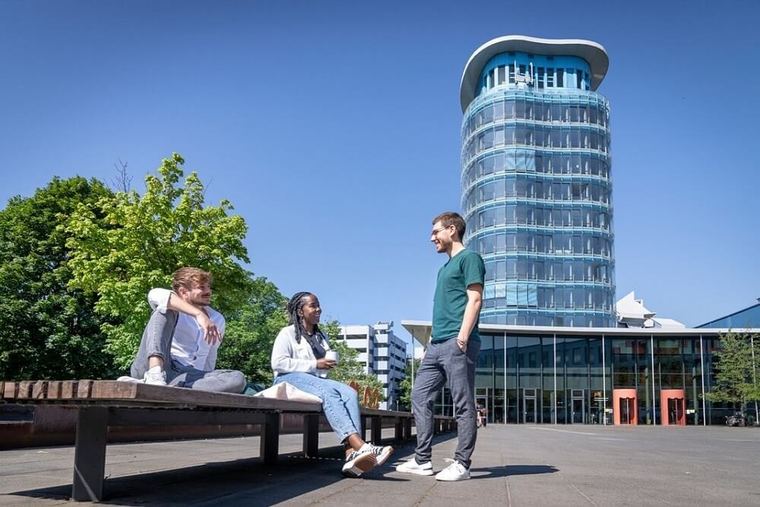
SRH University of Applied Sciences Heidelberg & other campuses
Immigration
The Germany student visa
- Courses under three months use a Schengen visa; anything longer requires a national visa followed by a residence permit obtained from the local registration office after arrival.
- The residence permit runs for two years and can be extended on confirmation from your university that your studies are progressing normally.
- If you are waiting for an admission decision or need to sit an entrance test, apply for the prospective-student visa: valid three months, extendable by six once you are admitted to a degree, foundation or German language preparation course.
- Alongside the offer letter, blocked account, health insurance and personal record, you may need the APS certificate or TestAS depending on the programme. Visa processing takes about three months.
- A tourist visa cannot be converted into a study visa. Vocational training applications additionally require the signed training contract.
Questions
Frequently asked
What is the APS certificate and why do Vietnamese students need it?
The APS (Akademische Prüfstelle) is a document verification and interview process run at the German embassy in Hanoi. Vietnamese applicants must hold an APS certificate before a German university will issue an admission decision, and before a study visa can be granted. Allow two to three months for it.
Can I study in Germany without German?
Yes, on an English-taught programme — there are now well over a thousand of them, concentrated at master's level. German at B1 or above still makes a substantial difference to part-time work and daily life.
How much does a year cost?
About US$11,000 per year at a public university, which is living costs plus the semester contribution. Private universities add tuition on top.
Can I work while studying?
Yes — 140 full days or 280 half days per year, equivalent to about 20 hours per week during term.
Can I stay after graduating?
Yes. Graduates may extend their residence permit for up to 18 months to look for work relevant to their qualification.
Planning Germany for 2026–27?
We will check your profile against the entry requirements, size the real budget and map the scholarship rounds worth applying to.