

Study in Singapore
Singapore combines globally ranked public universities with a large private sector delivering UK and Australian degrees. English is the language of instruction throughout, the student pass process is unusually light on paperwork, and the city is a short flight from Vietnam.
- Tuition
- US$8,800/yr
- Living
- US$13,500/yr
- Total
- US$22,300/yr
- Work rights
- 16 hours/week (public institutions)
- Post-study
- 1 year post-study work pass
Current position
Policy for international students
- Policy for international students has been stable — no recent tightening.
- The Student's Pass application requires no proof of financial capacity, which keeps the paperwork simple.
- Students at public polytechnics and universities may work up to 16 hours per week and can apply for a one-year post-study work pass — up to three years for government scholarship or tuition-grant recipients.
- Students at private institutions may work only through an industrial attachment organised by their school and forming part of the degree requirements.
Cost
What a year in Singapore costs
Adjust the level, city and scholarship percentage to see the effect on your annual total.
Scholarships: Public universities offer tuition grants that cut fees substantially in exchange for a work bond; private institutions run merit awards of 10-30%.
Estimated annual cost
US dollars, indicative
Indicative US dollars per year. Actual fees depend on the institution and programme; confirm before you commit.
Admission
Entry requirements
- No English certificate required; students in Grades 6-10 sit an Aptis placement test
- Some schools add a maths, reading and writing assessment depending on the profile
- Completed Grade 12
- IELTS 5.5 / TOEFL 56 / PTE 46, or an English pathway before the main course
- Completed Grade 12, or a recognised foundation or diploma programme
- IELTS 6.0 / TOEFL 74 / PTE 52, or an English or foundation pathway first
- Bachelor's degree
- IELTS from 6.0
- Work experience depending on the school and field
- Bachelor's degree, a research master's, or an equivalent qualification
- IELTS 6.5 / TOEFL 86 / PTE 58, or the institution's English preparation programme
Funding
Scholarships & financial support
Public universities offer tuition grants that cut fees substantially in exchange for a work bond; private institutions run merit awards of 10-30%.
Awards are almost always decided at the point of admission rather than afterwards, and most pools are allocated on a rolling basis. Applying early in the cycle is the single biggest thing within your control.
At a glance
- Work during study
- 16 hours/week (public institutions)
- After graduation
- 1 year post-study work pass
- Baseline tuition
- US$8,800/yr
- Baseline living
- US$13,500/yr
Subjects
What Singapore is strong in
- Business & Management
- Finance & Banking
- Hospitality
- Computer Science & IT
- Engineering
- Communications & Media
- Healthcare & Medicine
- Social Sciences & Humanities
- Supply Chain & Logistics
Institutions
Where to study in Singapore
31 institutions in our directory, across 5 categories.
-
National University of Singapore (NUS) Singapore
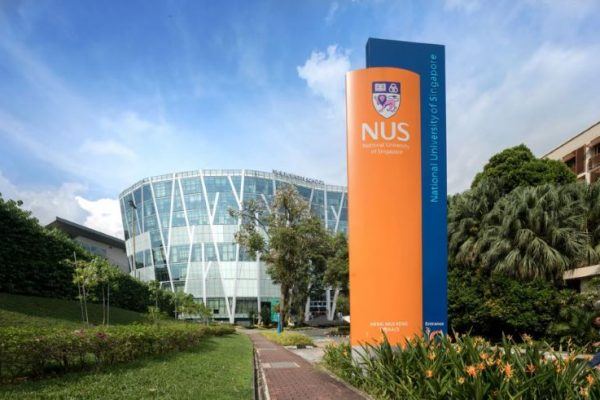
-
Nanyang Technological University (NTU) Singapore
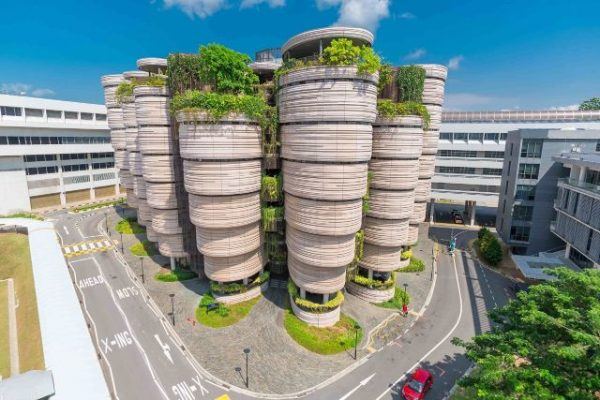
-
Singapore Management University (SMU) Singapore
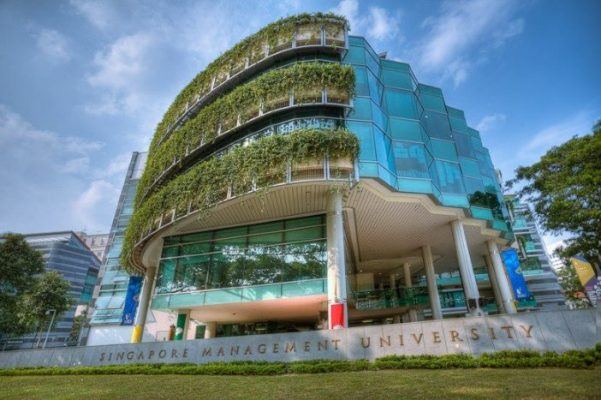
-
Singapore Institute of Technology (SIT) Singapore
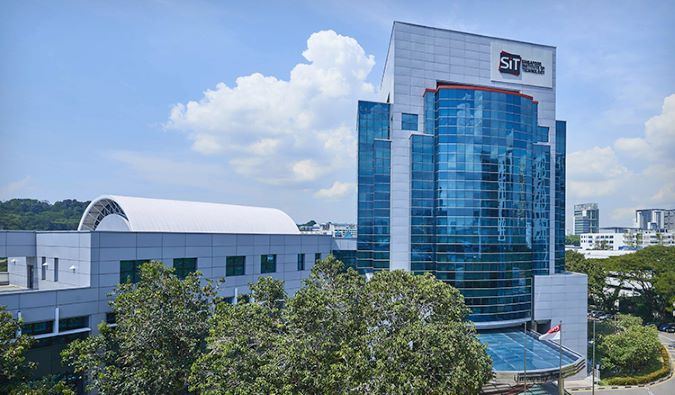
-
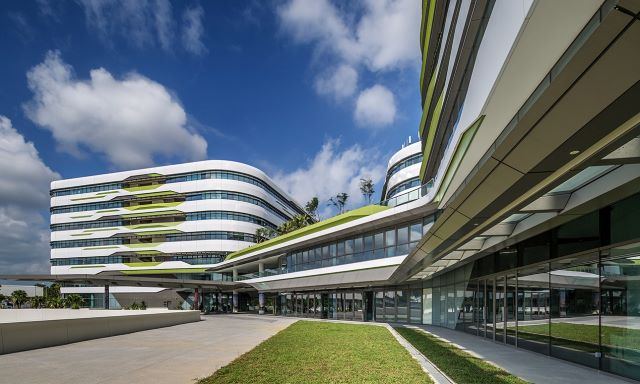
Singapore University of Technology and Design (SUTD) Singapore
-
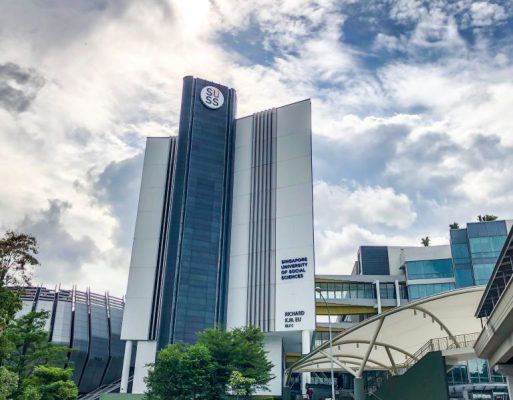
Singapore University of Social Sciences (SUSS) Singapore
-
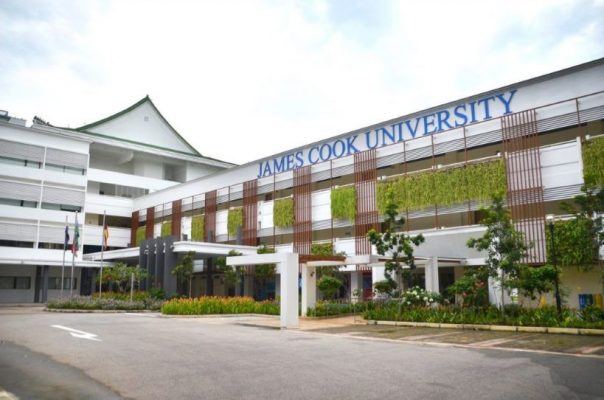
James Cook University Singapore Singapore
-
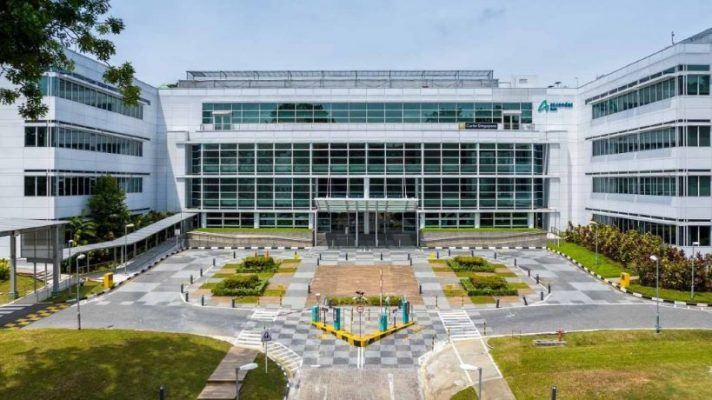
Curtin Singapore Singapore
Immigration
The Singapore student visa
- International students need a Student's Pass issued by the Immigration and Checkpoints Authority (ICA).
- The application must be lodged at least one month and no more than two months before the intake, through ICA's online system. In practice the school files on your behalf for a fee.
- Once approved you receive an In-Principle Approval (IPA) letter as a PDF — print it and carry it with your passport.
- In your first days in Singapore you collect the original Student's Pass from the school, then attend ICA to present the IPA letter and receive the physical card.
- Processing takes 4-6 weeks. Approval rates for Vietnamese students are high — close to 99% where there is a clear study plan, no unexplained gap years, and a formal offer from a licensed institution.
Questions
Frequently asked
Do I need to prove finances for a Singapore student visa?
No. The Student's Pass application does not require a proof-of-funds document, which makes the process considerably lighter than for the US, UK, Australia or Canada.
Can I work while studying?
Students at public institutions may work up to 16 hours per week during term. Students at private institutions may only work through a school-organised industrial attachment that counts toward the degree.
Can I apply without IELTS?
Yes. Many private institutions accept an internal placement test or offer an English preparation programme that leads directly into the main course.
What if I have not finished high school in Vietnam?
Several institutions accept students after Grade 10 or 11 into a foundation or diploma pathway that then feeds into a bachelor's degree.
How much does a year cost?
Around US$22,300 per year including tuition and living — Singapore's living costs are the highest in the region.
Planning Singapore for 2026–27?
We will check your profile against the entry requirements, size the real budget and map the scholarship rounds worth applying to.