

Study in Japan
Japan is actively courting international students to close a skills gap in technology, engineering, nursing and hospitality. English-taught degree programmes have expanded sharply, and graduates who find relevant work can convert to a working visa.
- Tuition
- US$9,600/yr
- Living
- US$8,500/yr
- Total
- US$18,100/yr
- Work rights
- 28 hours/week during term
- Post-study
- Job-seeking visa, convertible to work visa
Current position
Policy for international students
- Japan continues to widen its intake of international students to meet demand for skilled workers and to internationalise its universities.
- Students may work up to 28 hours per week during term and full-time during long holidays with permission.
- Many universities now run full degree programmes taught in English, with broader scholarship provision and stronger academic and pastoral support.
- Shortages in technology, engineering, nursing and hospitality make it comparatively straightforward for graduates to convert to a work visa after finding a matching job.
Cost
What a year in Japan costs
Adjust the level, city and scholarship percentage to see the effect on your annual total.
Scholarships: MEXT government scholarships, JASSO grants and university-specific tuition reductions of 30-100% are all open to international applicants.
Estimated annual cost
US dollars, indicative
Indicative US dollars per year. Actual fees depend on the institution and programme; confirm before you commit.
Admission
Entry requirements
- Completion of 12 years of schooling or an equivalent qualification — Japanese high school, IB, GCE A Level or Abitur
- General subject knowledge appropriate to the intended field
- Evidence of English proficiency, or Japanese depending on the programme
- Bachelor's degree or equivalent
- Research proposal, GMAT/GRE results, work experience or an interview depending on the field
- English at roughly IELTS 6.0-6.5 depending on the programme
Funding
Scholarships & financial support
MEXT government scholarships, JASSO grants and university-specific tuition reductions of 30-100% are all open to international applicants.
Awards are almost always decided at the point of admission rather than afterwards, and most pools are allocated on a rolling basis. Applying early in the cycle is the single biggest thing within your control.
At a glance
- Work during study
- 28 hours/week during term
- After graduation
- Job-seeking visa, convertible to work visa
- Baseline tuition
- US$9,600/yr
- Baseline living
- US$8,500/yr
Subjects
What Japan is strong in
- Engineering & Technology
- Business & Economics
- Environmental & Life Sciences
Institutions
Where to study in Japan
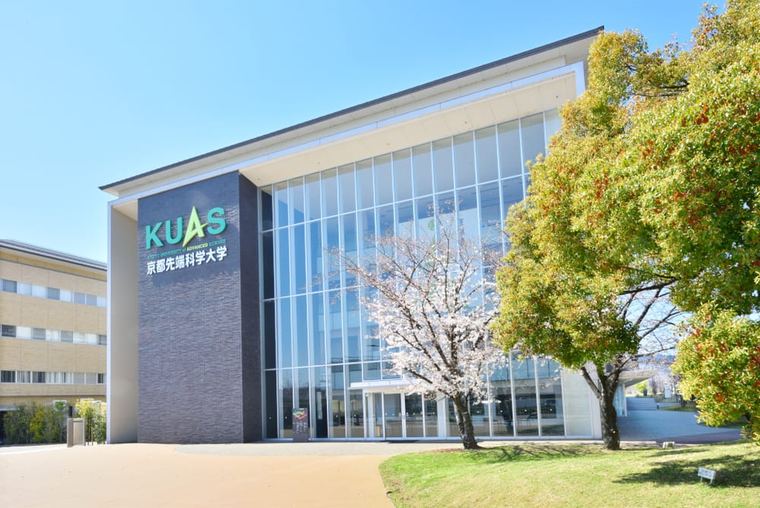
1 institutions in our directory, across 1 categories.
Immigration
The Japan student visa
- Study in Japan starts with a Certificate of Eligibility (COE), applied for by your institution at the regional immigration bureau.
- With the COE in hand you apply for the student visa at the Japanese embassy or consulate in Vietnam.
- The COE process takes roughly one to three months, so begin as soon as you receive your offer.
- Students must apply separately for permission to engage in activity outside the scope of the visa in order to work part-time.
Questions
Frequently asked
Can I study in Japan without Japanese?
Yes. A growing number of universities deliver complete degree programmes in English. Learning Japanese still helps considerably with part-time work and graduate employment.
What are the entry requirements?
Twelve years of schooling for undergraduate entry, a relevant bachelor's degree for postgraduate, plus proof of English or Japanese depending on the programme.
How much does a year cost?
Roughly US$18,100 per year including tuition and living.
Do I need to prove finances?
Yes. The Certificate of Eligibility application requires evidence that you can cover tuition and living costs for the duration of study.
Can I stay and work after graduating?
Yes. Graduates may apply for a designated-activities visa to job-hunt and then convert to a work visa once they secure a relevant position.
Planning Japan for 2026–27?
We will check your profile against the entry requirements, size the real budget and map the scholarship rounds worth applying to.